How to Build Events Sponsors Actually Love: From Booths to Belonging
Expert advice from Jason Yarborough and Raegan Wilson.
Live events are hot! But: event budgets are under pressure, buyer attention is fragmented, and sponsors demand measurable returns. What used to work—large expo halls, badge scans, and giveaway-driven lead lists—no longer moves the needle for most B2B tech sponsors. The stakes are simple: design the wrong event model and you erode trust, waste sponsors’ dollars, and lose repeat attendance and sponsor revenue. Design the right one and you create an engine for relationship-driven pipeline that keeps attendees and sponsors coming back.
This article unpacks a modern approach for events where sponsorships are not a transaction but a co-created experience. Drawing on practical examples and frameworks shared by Jason Yarborough (founder of Arcadia) and Raegan Wilson (VP of Ecosystem Innovation), you’ll get actionable steps to design activations that scale, matchmaking approaches that produce qualified conversations, and the operational steps to make ROI show up after the conference ends.
Table of Contents
- Why the old sponsorship model is broken
- Designing experiences that create belonging
- Activations that actually convert (examples & why they work)
- Pre-, during-, and post-event automation and outreach
- Matchmaking: turning audience into qualified conversations
- How to curate attendees and sponsors for maximum fit
- Structuring sponsorship tiers for introductions and outcomes
- Common pitfalls to avoid (gamification, badge obsession)
- Operational checklist for an intentional event
- Case study: Arcadia Leadership Experience — design and results
- Measuring success: metrics that matter for sponsors and hosts
- Practical templates and conversation starters for facilitators
- How to scale intimacy without losing authenticity
- Final steps to turn one-off events into community engines
- Conclusion
- FAQs
Why the old sponsorship model is broken
For decades, event sponsorship has operated like a simple exchange: logos for eyeballs, floor space for perceived visibility. That model treated sponsors as checkwriters and attendees as passive commodities. The result? Sponsors grind through expensive tradeshow cycles chasing noisy lead lists and poor signal-to-noise ratios. Jason calls that “transactional visibility”—it buys exposure but rarely builds trust.
Raegan frames the alternative in human terms: “people buy people.” When a sponsor is reduced to a booth and a token speaking slot, the interaction becomes shallow and the outcome uncertain. Large brand events can still justify mass exposure, but many B2B buyers and sponsors are moving toward intimate, niche experiences where the value is relational and the conversion funnel is shorter and more meaningful.
Put simply: the economics of events changed. Time is more expensive than ever for senior leaders, and companies expect sponsorships to deliver tangible qualified conversations, not just impressions. That reorientation—from impressions to intentional relationships—is the starting point for every design decision discussed below.
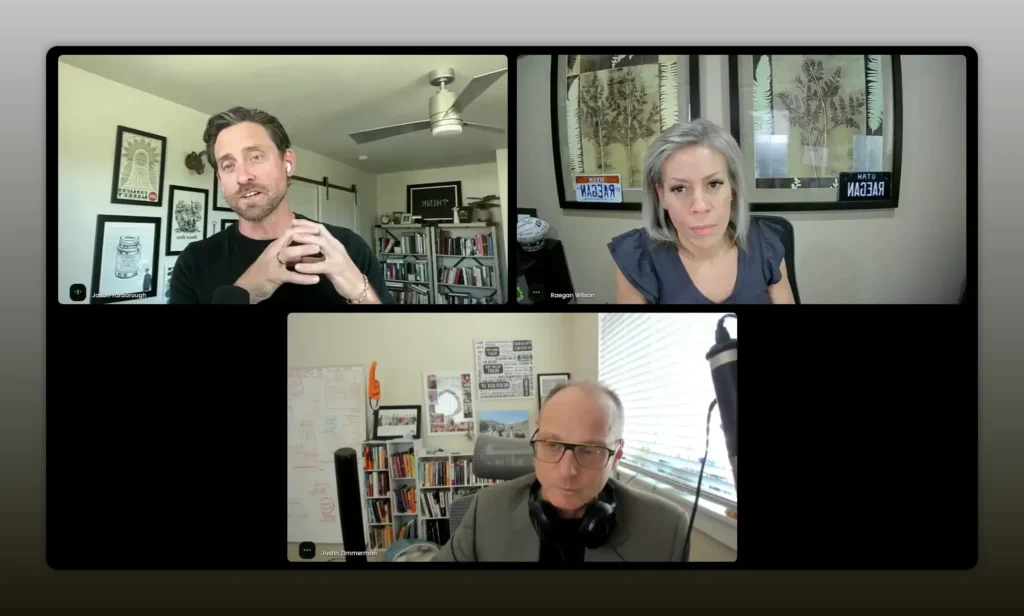
Sponsors aren’t buying visibility — they’re buying an opportunity to belong. – Jason Yarborough
Designing experiences that create belonging
Belonging is an outcome. It’s not a brand badge or a booth backdrop. Belonging means attendees and sponsors feel like active participants in the same story. The formula Jason uses is simple and strategic: intention + experience ÷ people = FOMO (and, importantly, return visits).
Three elements make this work:
- Curated audience: limit attendance to a relevant ICP (for Arcadia: director level or above). When attendees are homogenous in seniority and role, conversations happen at a higher level and sponsors can design interactions to match that depth.
- Integrated sponsor roles: sponsors are treated as attendees and co-creators, not cash cows. Bake sponsor-led moments into the itinerary (fireside chats, cohort facilitations, small-group lunches), rather than relegating them to the expo perimeter.
- Memorable setting and rituals: use place and practice to accelerate bonding—outsized meals, shared outdoor activities, cohort rotations, and late-night campfires are not frivolous extras; they’re fast-tracks to trust and rapport.
Raegan emphasizes the alignment step: sponsors must be plugged into parts of the program that make strategic sense for their offer and audience. The sponsor’s activation should fill a puzzle piece of the event, elevating both the brand and the attendee experience at once. That’s the psychology behind why a glamping tent or a guided fly-fishing morning can be worth more than a premium booth.
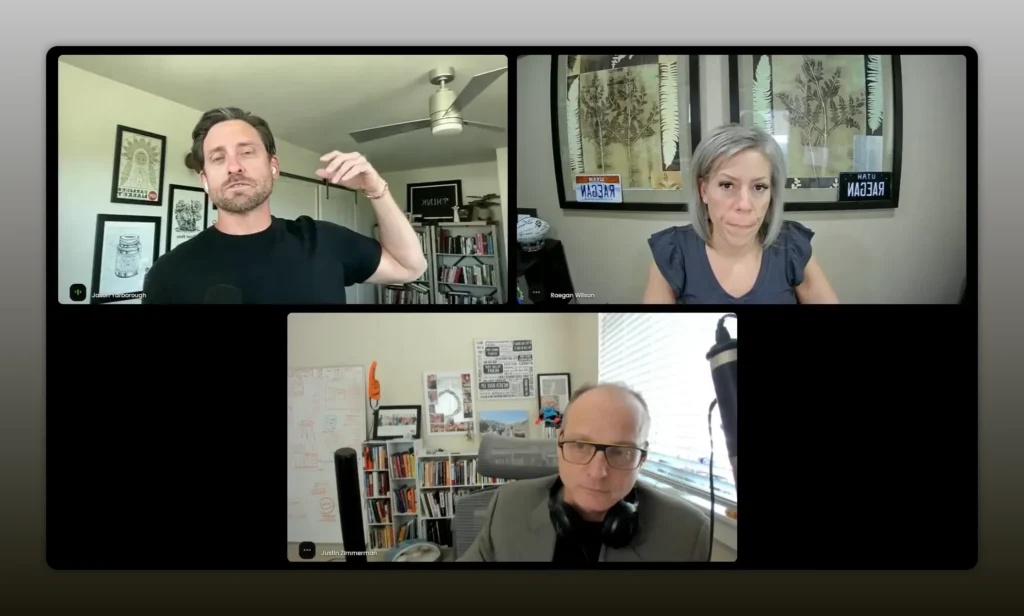
If your experience makes someone feel something deeply, they remember you—not just the brand, but the person. – Jason Yarborough
Activations that actually convert (examples & why they work)
Not all activations are created equal. Below are activations that build trust and raise the probability of meaningful follow-up:
- Co-created learning moments (Genius Bar, expert clinics): Jason’s early example of a “genius bar” for social strategy showed sponsors how to provide tactical coaching. Attendees walk away with value, and sponsors demonstrate expertise in a low-pressure environment.
- Small-group, sponsor-led cohorts: instead of a trade booth, sponsors join a cohort conversation relevant to their product area. This creates a natural basis for deep dialogue and demoing tailored solutions.
- Activity-based sponsorships: coffee carts, sponsored hikes, 5Ks, or Pilates sessions provide a reason to meet before selling begins. They create memories and context—people recall who poured their coffee or ran next to them more than a logo on a banner.
- Fireside chats and experiential evenings: PartnerStack’s fireside chat at Arcadia is a good example—an intimate format that performs as both content and connective tissue.
- Facilitated intros by host: the organizer actively schedules two or three soft intros for top-tier sponsors, shifting the work from sponsor hustle to host-enabled signal amplification.
Each of these shifts the sponsor’s role from noise-maker to conversation-enabler. The sponsor does not have to do more marketing; they have to be placed in spaces where their expertise creates conversation value. The measurement changes too: from raw leads to qualified conversations and the speed of conversion to pipeline.
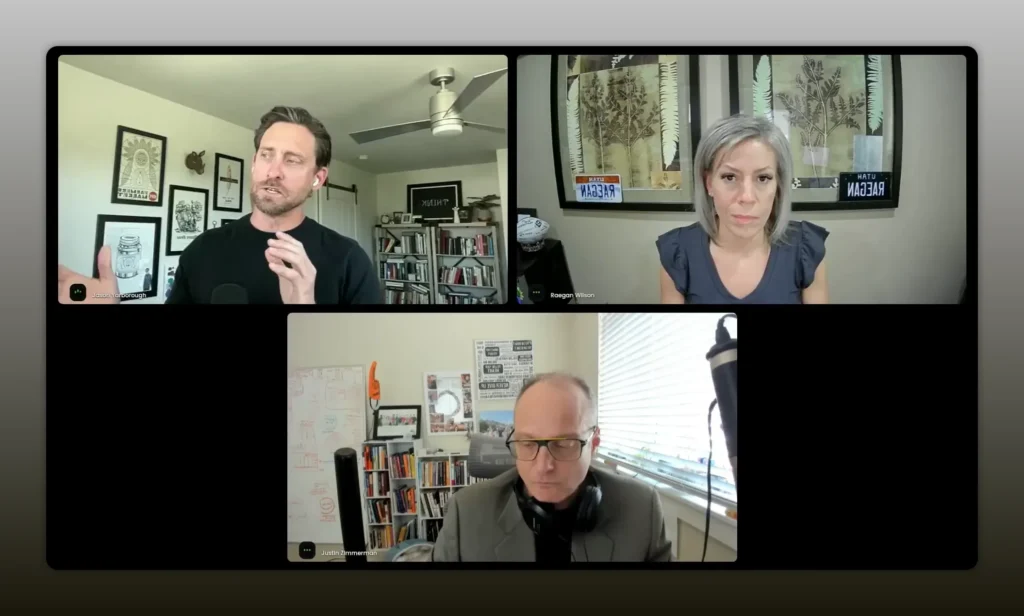
We made sponsors attendees—when their role is to co-create value, they get better returns. – Jason Yarborough
Pre-, during-, and post-event automation and outreach
Automation is a force multiplier, but it’s also a blunt instrument if misapplied. Raegan is clear: automated spray campaigns to “see us at booth X” are frequently wasted dollars for consulting-led, relationship-first sponsors. Instead, use automation where it increases signal and reduces friction.
Practical playbook:
- Pre-event: segmented human outreach + light automation. Identify a target list of high-value attendees and have real people reach out with personalized invites. Use automation to manage scheduling and logistics—not to replace the outreach.
- During-event: context-aware nudges, not badge-scanning traps. Use push communications to remind booked attendees of meeting places and to surface sponsor-hosted activities. Avoid turning coffee lines into lead-scanning opportunities; instead, direct people to a comfortable, intentional meeting space.
- Post-event: relentless follow-up sequences tied to meeting intent. Sponsors and hosts should agree on follow-up cadences for people who had intentional conversations. This is where ROI appears: the first outreach should reference the specific moment (the hike, the lunch table, the campfire chat) to trigger memory and trust.
Automation + human touch is the ideal. Use data to pick targets and schedule, but preserve human judgment for the initial introduction and the follow-up cadence. As Raegan put it: “If you don’t have a follow-up strategy after the event, it doesn’t really matter what you did.” That’s the point where expensive experiences become closed-won deals—or fade into marketing noise.
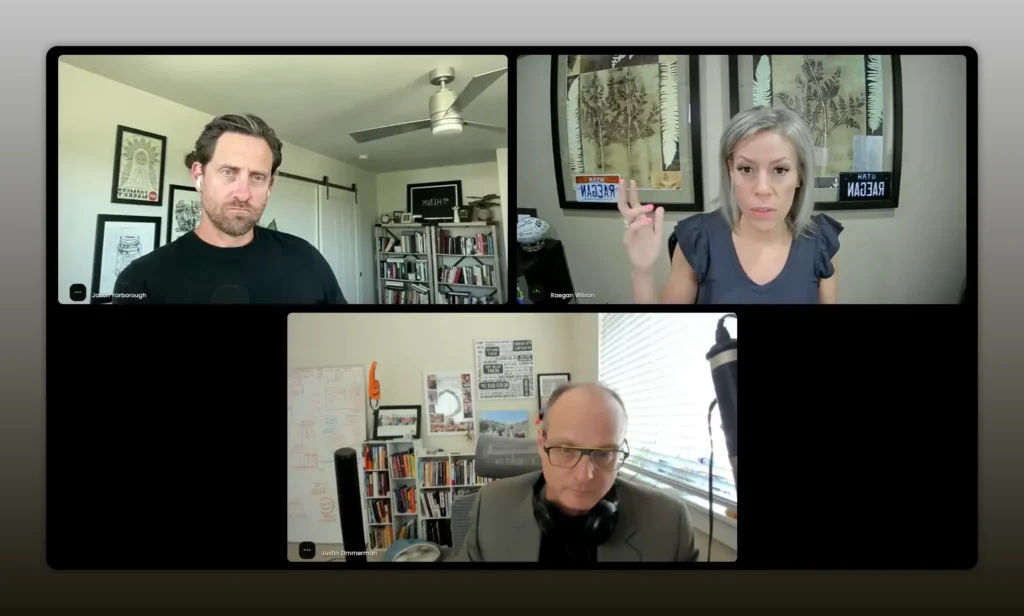
Plan the plan and execute the plan—follow up, follow up, follow up. – Raegan Wilson
Matchmaking: turning audience into qualified conversations
Matchmaking is the differentiator. Sponsors don’t want thousands of unfiltered badge scans; they need a handful of people who are in problem-awareness mode and ready to explore solutions. The host can create enormous sponsor value by owning the matchmaking process.
How matchmaking works at scale (practical steps):
- Collect intent at registration: ask directed questions—what problems are you focused on? Which roles would you like to meet? What outcome would make this event successful for you?
- Curate lists and rank fit: combine registration intent with ticket type and company attributes to generate a “fit score” for sponsors.
- Offer sponsor match packages: top-tier sponsors receive curated introductions (two to three soft intros) and scheduling help. Mid-tier sponsors get an expanded audience list or prioritized workshop slots.
- Facilitate soft intros: the organizer makes a warm introduction—email + Slack + in-person reminder—so the meeting happens with context and expectation.
Jason described a simple, high-impact variant: match the sponsor’s named accounts against the event attendee list, then facilitate soft introductions for the top matches. That single nudge can shorten the sales cycle dramatically and make sponsorship ROI immediate.
One or two closed deals at an event can take you net positive—so facilitate those intros. – Jason Yarborough
How to curate attendees and sponsors for maximum fit
Curation is an underappreciated lever in the event playbook. Many event organizers chase headcount; the modern play often looks for signal over volume. Arcadia’s model intentionally limits attendance and screens for seniority. That scarcity creates value in three ways:
- Higher-quality conversations: attendees at similar seniority levels can speak in strategic terms and are more likely to have purchasing influence.
- Better sponsor ROI: sponsors who know the attendee cohort is small and relevant will pay a premium for focused access.
- Community stickiness: a well-curated cohort creates a social graph that persists beyond the event (e.g., active Slack channels, repeat attendance).
Operational tips for curation:
- Use an application process tailored to role and intent rather than an open buy-a-ticket model.
- Screen sponsors for mission fit—turn away those who don’t align with the attendee profile.
- Communicate the curation criteria publicly—scarcity sells (and sets expectations for sponsor results).
Structuring sponsorship tiers for introductions and outcomes
Build sponsorship packages that are outcome-oriented rather than asset-oriented. Here’s a sample tier structure you can adapt:
- Platinum (limited): cohort facilitation slots, three curated intros, lead lists (matched by intent), and co-created evening activation.
- Gold: sponsor-led breakout, two curated intros, branded activity (coffee cart, hike), and inclusion in post-event nurture campaigns.
- Silver: fireside chat slot, one curated intro, logo placement across event materials, and access to attendee intent survey data.
- Supporter / Local: sponsor an activity (5K, yoga) with sponsor recognition and onsite engagement rights.
Key principle: tie each sponsorship element to a clear deliverable that helps the sponsor progress pipeline: number of intentional conversations, soft intros, or co-led sessions that position the sponsor as a trusted advisor.
Treat sponsors like attendees; view them as vessels for shared value. – Jason Yarborough
Common pitfalls to avoid (gamification, badge obsession)
There are several well-intentioned but counterproductive tactics that event teams continue to deploy. Avoid them:
- Gamification without guardrails: leaderboards and scavenger hunts can be gamed. Raegan shared an example where a broken rule allowed one attendee to loop for points and win the prize without learning anything about sponsors. If you gamify, design the gate rules carefully and tie actions to meaningful engagement (e.g., a short consultative conversation recorded by a sponsor representative).
- Badge scans as a primary metric: scanning is friction-free but low-signal. It creates long lists of contacts with no context. Replace it with opted-in intent forms and facilitated intros.
- Overreliance on giveaways: AirPods or trinkets might draw foot traffic, but they don’t generate qualified pipeline. If you must give swag, tie it to a substantive interaction (e.g., a short workshop or demo that requires sign-up).
- Treating sponsors as second-class citizens: if sponsors feel used, they won’t return. Include sponsors in planning conversations and design experiences that give them authenticity and agency.
Operational checklist for an intentional event
Use this checklist to move from idea to execution. Each item is an action that a conference organizer or sponsor should own.
- Define the ICP and screening criteria for attendees (seniority, role, industry).
- Build an application process that surfaces attendee intent and priority topics.
- Curate sponsor list by alignment, not budget only.
- Design cohort rotations and facilitate sponsor participation inside cohorts.
- Assign a host-provided intro quota to each sponsor tier (e.g., 0/1/2/3 warm intros).
- Map out pre-event human outreach for the top 20% of targets.
- Reserve dedicated meeting spaces for pre-scheduled conversations and sponsor sessions.
- Run a communication plan: pre-event logistics, during-event reminders, post-event nurture.
- Measure the right things: qualified conversations, meetings scheduled post-event, pipeline influenced, and sponsor NPS.
- Collect feedback from both sponsors and attendees with a focus on actionable improvements (not just NPS).
Case study: Arcadia Leadership Experience — design and results
Arcadia’s anti-conference model is instructive because it demonstrates the above principles in practice. Key design decisions include:
- Location as a catalyst: holding the event at a glamping eco-resort in Bozeman, Montana, removes the option to hide in bars and encourages shared experiences—meals cooked over open fire, cohort discussions under a wax canvas tent, and shared activities like fly-fishing and hiking.
- Cohort facilitation: participants are grouped by design for small-group dialogues and facilitated sessions led by experienced moderators from Arcadia.
- Sponsor integration: sponsors like PartnerStack and others co-created fireside chats and joined small-group experiences rather than occupying booths.
- Application-based attendance: only director-level or above attend, which raises the level of conversation and increases the sponsor ROI per interaction.
Outcomes reported by Jason include strong sponsor renewals and active post-event engagement. The event’s Slack group remains active weekly—an indicator that the relationships formed have real staying power. The secret sauce was not a gimmick; it was a relentless focus on intentionality and the psychology of shared experiences (dopamine + oxytocin, as Jason referenced) to accelerate trust.
Everything that we did there had intention behind it—the opportunity to create relationships and foster meaning. – Jason Yarborough
Measuring success: metrics that matter for sponsors and hosts
Move beyond vanity metrics. The following measures align sponsor value with event outcomes:
- Qualified conversations: count the number of sponsor-attendee conversations that meet a pre-defined qualification (e.g., problem awareness + authority).
- Meetings scheduled post-event: track how many discovery or follow-up meetings are booked within 30 days.
- Pipeline influenced: measure opportunities created within 90 days tied to event interactions.
- Sponsor retention and renewal: the ultimate proof that sponsors received value.
- Community engagement: Slack activity, mentorship pairings, and repeat attendance rates.
Collecting these metrics requires upfront agreements. Decide what both sponsors and hosts will track, and instrument the event systems (surveys, CRM tags, meeting scheduling tools) to record handoffs and outcomes.
Practical templates and conversation starters for facilitators
Good facilitation reduces awkwardness and drives outcome-oriented dialogue. Below are quick templates your facilitators can use to jumpstart meaningful sponsor-attendee interactions.
- Opening script for cohort session: “Welcome—quick round: name, role, one priority challenge you hope to solve in the next 90 days. We’ll collect themes and connect you to two sponsors who matched that intent.”
- Sponsor intro at lunch: “This table is sponsored by [Company]. They help solve [problem]. If anyone is wrestling with [problem], this is a great place to get a 10-minute consult.”
- Soft-intro email template (host → attendee & sponsor): short line about who they are, why the intro is relevant, and suggested next steps (coffee, scheduled 30-minute meeting after session).
- Follow-up reminder post-event: reference the shared activity: “It was great chatting with you after the morning hike—would you like to schedule a 30-minute follow-up to explore solutions?”
How to scale intimacy without losing authenticity
Scaling an intimate model is a paradox: the more people you add, the harder it becomes to preserve the personal connection that drives sponsor ROI. Here are three levers to scale responsibly:
- Multiply cohorts, not crowd size: run simultaneous, small cohorts with dedicated facilitators rather than a single large mainstage track. This preserves intimacy while increasing throughput.
- Standardize facilitation playbooks: train facilitators on consistent protocols (opening question set, timebox rules, sponsor integration scripts) so every cohort produces predictable outcomes.
- Use tech for logistics, humans for signal: let scheduling and match recommendations be automated, but keep human review for the final select list of introductions.
Scaling works when hosts commit to the same intention at 10x attendees as they did at 100. If you stop curating, you destroy the property that attracted sponsors in the first place.
Final steps to turn one-off events into community engines
An event that creates belonging becomes the anchor of a community. To convert a single successful event into a recurring ecosystem, follow five principles:
- Maintain ongoing channels: keep a chat or forum for the cohort active and seeded with value (weekly prompts, post-event office hours, expert Q&As).
- Create return rituals: recurring structures like annual retreats, quarterly roundtables, or sponsored micro-programs keep the cohort engaged.
- Publish and share outcomes: case stories, attendee spotlights, and sponsor testimonials validate the event’s value and attract future attendees.
- Invest in post-event programming: sponsor webinars, problem-solving sprints, and practitioner clinics translate the event’s trust into ongoing pipeline.
- Keep curation strict: guard against diluting the ICP as the community grows—stick to role and intent thresholds.
Jason summarized this with a practical maxim: “ROI doesn’t show up unless you do.” The host must be willing to invest time and design into every stage—before, during, and after—to translate the experience into measurable business outcomes.
People want to connect on a personal level, not just a work level. Find a way to bond outside of work. – Raegan Wilson
Conclusion
Events are no longer merely marketing channels for visibility; they are strategic touchpoints where trust, insight, and pipeline are created. Sponsors want more than exposure—they want curated conversations and demonstrable ROI. Organizers who adopt a design-first approach—curating the right people, integrating sponsors as co-creators, facilitating introductions, and building follow-up systems—will win the long game. Start by asking: who is the event for, what problem do they want solved, and how will a sponsor tangibly help? Answering those questions with intention turns events into engines for sustained business growth.
FAQs
How do you determine which sponsors are a fit for an experience-driven event?
Start with alignment: does the sponsor’s product or service directly help the attendee ICP solve the problems surfaced in registration? Prioritize sponsors who can provide expertise (workshops, cohort facilitation) and those willing to commit to the social, experiential format. Turn down sponsors who insist on transactional activations that would undermine attendee experience.
What should a sponsor expect to receive in a curated introduction package?
A curated package often includes a short list of matched attendees (based on intent and company fit), two to three facilitated soft introductions by the host, and scheduling support during the event. Higher tiers may include exclusive cohort access or prioritized follow-up opportunities.
How do you measure sponsor ROI beyond leads?
Track qualified conversations, meetings scheduled post-event, pipeline influenced within 90 days, and sponsor renewal/expansion rates. Supplement quantitative metrics with sponsor feedback on the quality of conversations and the perceived fit of attendees.
Can experiential activations work at larger conferences?
Yes, but they scale differently. At large conferences, consider running micro-experiences—curated dinners, small satellite sessions, or morning runs—to create pockets of intimacy. Use matchmaking tech and hosts to surface top matches and protect time for the sponsor-led micro-experiences.
What are best practices for post-event follow-up?
Send personalized follow-ups within 48 hours referencing the specific interaction (activity, cohort, or conversation). Use a combination of automation for scheduling and human outreach for high-value targets. Measure responses and convert warm interest into scheduled demos or discovery calls within 30 days.