Make Your Value Visible: Why & How Partnership Pros Should Build A Personal Brand
Expert advice from Chris Samila (Partnership Leaders), Bryan Williams (Hockey Stick Advisors), Heather Margolis (Channel Maven), and (Kron Technologies).
Snapshot
You are not just doing a job — you are building a reputation, a network, and a track record that will follow you from role to role and company to company. Partnerships live at the messy intersection of this! Unfortunately your wins are often distributed across strategy, sales, product and marketing (the whole org) — and therefore your win are easy miss unless, you make them visible.
That means visibility is both a requirement (because your impact is cross‑functional) and an opportunity (because it multiplies what you can influence). If you understand how to make your value visible — you can do more than earn credit: you unlock budget for co‑marketing and enablement, get headcount approvals, influence product roadmaps, and cement a seat at strategic conversations.
Visibility not only attracts better partners, but you get tapped for promotions and advisory roles, and remain “hireable” in a volatile market! So if you know how to convert informal goodwill into measurable outcomes that executives understand, you can earn a seat at the table (and beyond)!
Keep reading to learn how to create better visibility: document outcomes with numbers, tie activities to company KPIs, and tell concise stories that show how partnerships drive distribution, adoption, and revenue over time.
The compounding effects will give you more control now and in your next role, while building a professional brand that outlasts any single employer.
We are free agents currently renting our talents to other corporations, but we must consistently be branding and selling and positioning and marketing ourselves to the broader world. – Justin Zimmerman
Table of Contents
- Establishing credibility inside your company
- Building a partner pipeline that actually sells
- Communicating partnership impact to leadership
- Creating an external professional brand
- Where to show up: communities, events, and LinkedIn
- Practical rituals to invest in your network
- Content strategies that move the needle
- Protecting your career with financial fluency
- When your manager doesn’t see your work
- Actionable checklist: first 90 days
- FAQs
- Conclusion
Establishing credibility inside your company
When you start a new role, you have a short runway to form internal alliances. The way you show up during those first weeks determines whether partners and stakeholders see you as an ally or an unknown variable.
Start by treating internal teams like external partners. Join their stand-ups. Listen to what sales, marketing, and customer success are measured on. Learn their North Star metrics. Then map how partnerships can ladder into those goals.
Be visible, but showcase value; create your own political campaign internally so people know how partnerships contribute. – Bryan Williams
Practical first steps:
- Ask for meeting invites to sales and marketing kickoffs for at least the first 60 days.
- Create a simple one-page alignment document that ties partnership objectives to company KPIs and the board’s expectations.
- Publish a weekly partnership update — short, visual, and focused on business impact.
Jen Waltz puts it plainly: be aligned with the board that brought you in. Use that alignment as your North Star during every presentation for the first 60 to 90 days. That prevents scope creep and helps executives remember why they hired you in the first place.
When you kick off, go join the stand-ups of marketing, sales, and support to understand their North Star and present how partnerships ladder into that. – Jen Waltz
Building a partner pipeline that actually sells
Relationships are the foundation, but pipeline is your currency. Don’t confuse warm conversations with business-ready partnerships. You need adjacent partners who can actively refer, resell, or co-sell.
Key principles:
- Treat partners like a part of your team. Make them feel internal and invested.
- Focus on trust before contracts. If you cannot pick up the phone and ask a partner for help, you haven’t built the right relationship.
- Define clear joint outcomes. Co-marketing programs without measurable KPIs are noise.
Examples of pipeline-focused activities:
- Create a partner playbook with joint ICP, value props, and an easy referral process.
- Run regular partner business reviews focused on pipeline and conversions, not vanity metrics.
- Design quick pilots to demonstrate success and scale the program once you have evidence.
Heather emphasizes a spirit of abundance. Even competitors can be allies if you position collaborations that add distinct, non-overlapping value. One plus one can equal three.
Communicating partnership impact to leadership
Most executives will default to short-term metrics like source revenue. Partnerships deliver more than a revenue line — they build distribution, product adoption, and long-term customer access. Your job is to make those indirect benefits legible.
How to talk to executives:
- Present bottoms-up resource requests. If leadership gives you a top-down target, show the specific resourcing and steps needed to hit it.
- Use a mix of leading and lagging indicators. Share early-stage pipeline, enablement completion, and partner-driven trials as leading signals.
- Create a compact quarterly snapshot that summarizes initiatives beyond source revenue — like enablement, co-marketing reach, and customer advocacy.
Bryan Williams recommends building the business case for partnerships the same way you’d justify any investment: be explicit about inputs, outputs, and time to value.
Creating an external professional brand
Your employer has a lifecycle. Your personal brand should outlive any single company. Consider your career a long-duration marketing campaign. That means you publish, you join communities, and you cultivate relationships continuously.
Three routes to build your external brand:
- Write publicly — Share tactical lessons weekly: wins, losses, frameworks, postmortems. Keep it practical and non-grievance focused.
- Join concentrated communities — Active participation in niche communities like Partnership Leaders lets you build trust faster because the audience is focused.
- Create small private networks — A dedicated Slack or WhatsApp group of peers becomes a safe place for referrals, candid advice, and recruiting leads.
Justin explains the “resume problem” bluntly. Most people only market themselves when they need a job. Instead, show up every week. You don’t need perfect slides or copy. Consistency wins over perfection.
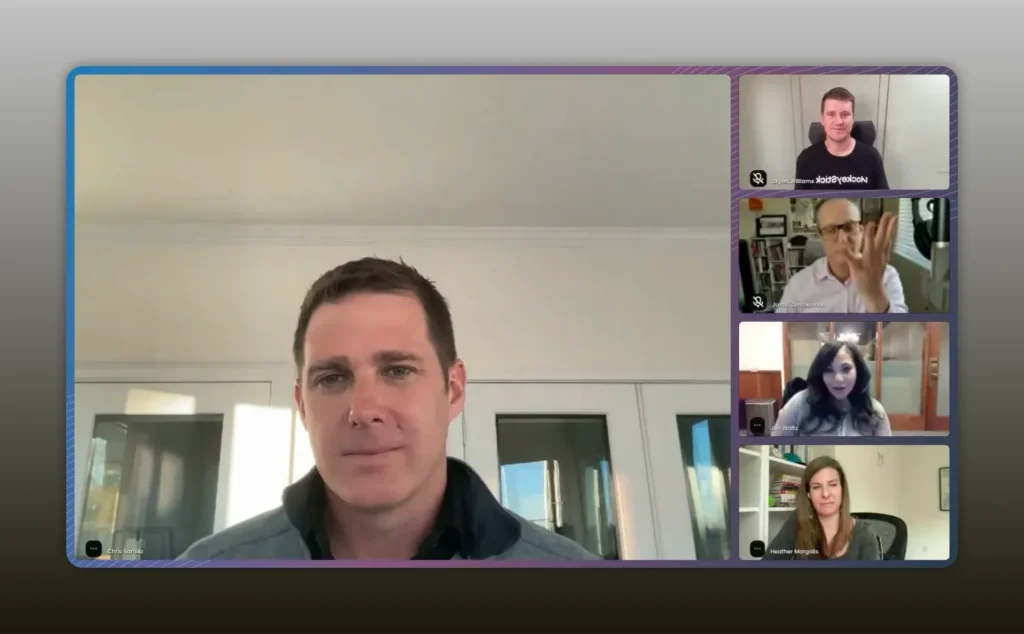
Build your own mini social network — a Slack or WhatsApp group — to maintain connection and mental health through career transitions. – Justin Zimmerman
Where to show up: communities, events, and LinkedIn
Don’t invent a presence where the audience does not exist. Find the communities where partnership professionals congregate and contribute. Quality of presence matters more than breadth.
Where to invest time:
- Partnership-focused communities — These are high-signal places where leaders, practitioners, and vendors exchange tactical knowledge.
- Industry events and local meetups — Show up in person; conversations flow differently and tend to create long-lasting bonds.
- LinkedIn — Use it as your broadcast engine. Short, practical posts perform well in tight-knit spaces like partnerships.
Bryan Williams grew his LinkedIn from 4,000 to 12,000 by simply showing up and adding value. Heather suggests going to where the puck will be: pick the channels your peers use and be active there.
Practical rituals to invest in your network
Visibility is a habit, not a one-off sprint. Build small rituals that compound over time.
- Schedule a weekly block on your calendar for community engagement — comment, respond, or share one piece of insight.
- Create an office hours Cadence — Heather keeps a Calendly block to help people with career questions; you can do the same for mentorship and referrals.
- Export and maintain a contact map — record which partners can help in particular scenarios. Update it quarterly.
- Send short, meaningful check-ins — you don’t need a reason to reach out; value can be sharing an intro, an article, or a job lead.
Partners are part of your team and should be treated as such; build trust and add value both ways. – Heather Margolis
Content strategies that move the needle
Content is not content unless it opens doors. Think of your posts and newsletters as bridge builders that connect you to people you want to work with.
Content formats that work for partnership pros:
- Weekly micro-lessons: 1-3 tactical points you applied that week.
- Partner playbooks and case studies: short write-ups that show how a joint initiative worked and what others can replicate.
- Quarterly partnership snapshots: executive-friendly decks summarizing impact.
Justin’s advice: launch even if it’s imperfect. Early audiences will forgive spelling errors if you consistently deliver value. Over time, the trust you build matters more than polished packaging.
You can get to be known, liked, and trusted quickly within the partnerships community if you show up regularly. – Justin Zimmerman
Protecting your career with financial fluency
One of the most underrated career accelerators for a partnership professional is understanding the language of the business: revenue drivers, margins, EBITDA, and SEC filings for public companies. That knowledge transforms you from a tactical partner manager to a strategic advisor.
Start learning these basics:
- How to read a 10-K and 10-Q to understand company health and strategic priorities.
- EBITDA and cash flow basics so you can speak to profitability and investment decisions.
- How partner-sourced revenue fits into GAAP and your company’s revenue recognition model.
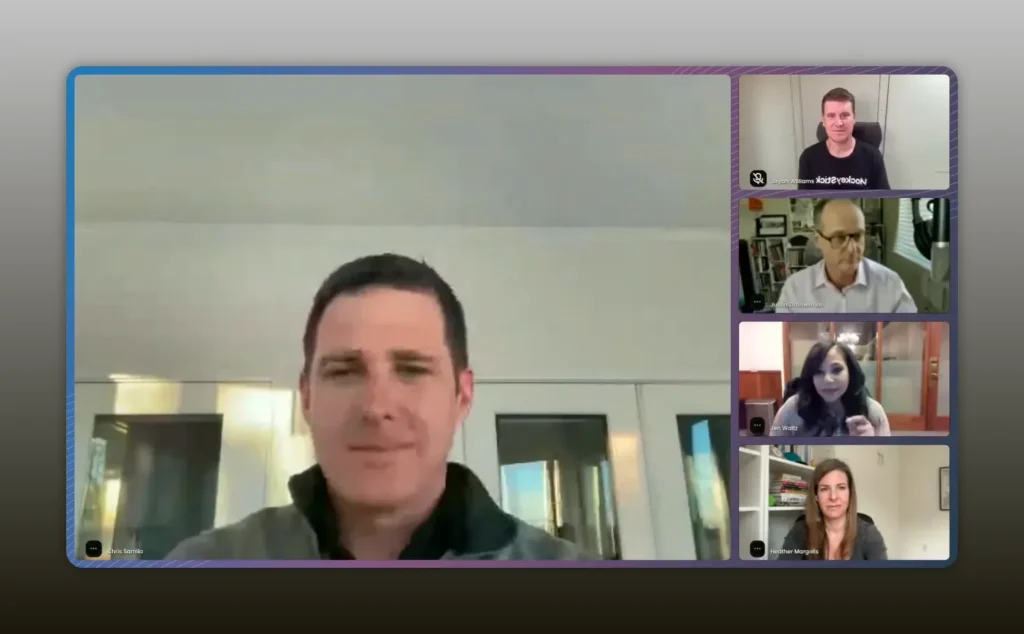
I wish I had learned how to read an EBITDA statement and 10-Ks earlier; the financials give you a strategic edge with partners and execs. – Jen Waltz
Being able to surface financial context in a partner conversation instantly raises the level of discussion. It signals that you understand how partnerships impact the business beyond pipeline metrics.
When your manager doesn’t see your work
It happens: you execute, you close deals, but your manager or peers still don’t see the full picture. That’s an execution and communication problem, both of which you can address.
Steps to take:
- Own the narrative. Present a bottoms-up plan that shows required activities, timelines, and resourcing to hit partnership targets.
- Share compact updates. A short weekly update or a quarterly one-pager can be more effective than sporadic, long emails.
- Call in experts. Mentors and community leaders can provide talking points and one-pagers to explain partnerships to execs.
- Practice extreme ownership. If a resource gap exists, document it and present the case. If the company still won’t invest, then plan your next steps accordingly.
Heather and Bryan both stress the importance of over-communicating requirements to leadership. If you need enablement, budget, or headcount, create a clear, measurable ask and tie it to outcomes.
Actionable checklist: first 90 days
- Week 1: Map stakeholders and schedule attendances across sales, marketing, and support stand-ups.
- Week 2: Produce a one-page alignment document connecting partner activities to company KPIs and board expectations.
- Weeks 3-4: Run one pilot partner program with clear, short-term measurements.
- Month 2: Launch a weekly partnership update and a quarterly snapshot for execs.
- Month 3: Systematize partner business reviews and publish one case study or post on LinkedIn.
FAQs
How quickly should I start sharing content publicly?
Start immediately. You do not need perfect content. Weekly micro-posts that share tactical lessons, wins, and failures are highly effective in the partnerships community. Consistency matters more than polish.
What should I include in a weekly partnership update?
Keep it short: three bullets for wins, two bullets for risks or blockers, and one ask for leadership. Use numbers when possible: pipeline influenced, partner-led meetings, enablement completion rates.
How do I get buy-in from partners who are hesitant to commit?
Make it low-friction and mutually beneficial. Start with a small pilot that demonstrates value. Define a clear partner success metric and keep the scope limited so early wins are achievable.
What’s the best way to track partner-sourced revenue?
Work with finance to define partner attribution rules. Use CRM to tag partner-sourced opportunities and run regular reconciliations. Also capture downstream metrics such as churn and upsell that partners influence.
How do I maintain a giving mindset when competition is fierce?
Adopt an abundance approach. Focus on complementary value rather than overlap. If you can help others succeed without harming your business, the goodwill will return in referrals, joint opportunities, and reputation.
Is building a private Slack group worth the effort?
Yes, if you can sustain it. Small private networks accelerate candid conversations, referrals, and long-term support. If running your own community is too heavy, prioritize active participation in existing high-signal communities.
Conclusion
Becoming “insanely valuable” as a partnership professional is deliberate work. It requires you to act like a marketer for your own career while simultaneously being a strategic operator for the business. You will need to align to the board, build trust with partners, and make your impact legible to executives. You’ll also need a public presence that documents your thinking and a private network that sustains you through career transitions.
Start small: join a stand-up, write one short LinkedIn post this week, create a one-page partnership snapshot, or schedule 30 minutes of calendar time to reach out to a partner. The compounding effects of these rituals will make your value visible, protect your career, and open opportunities you cannot predict today.